Blog

  • Wedding Budget – What to Save On and What Not to Skimp On?

    Wedding Budget – What to Save On and What Not to Skimp On?

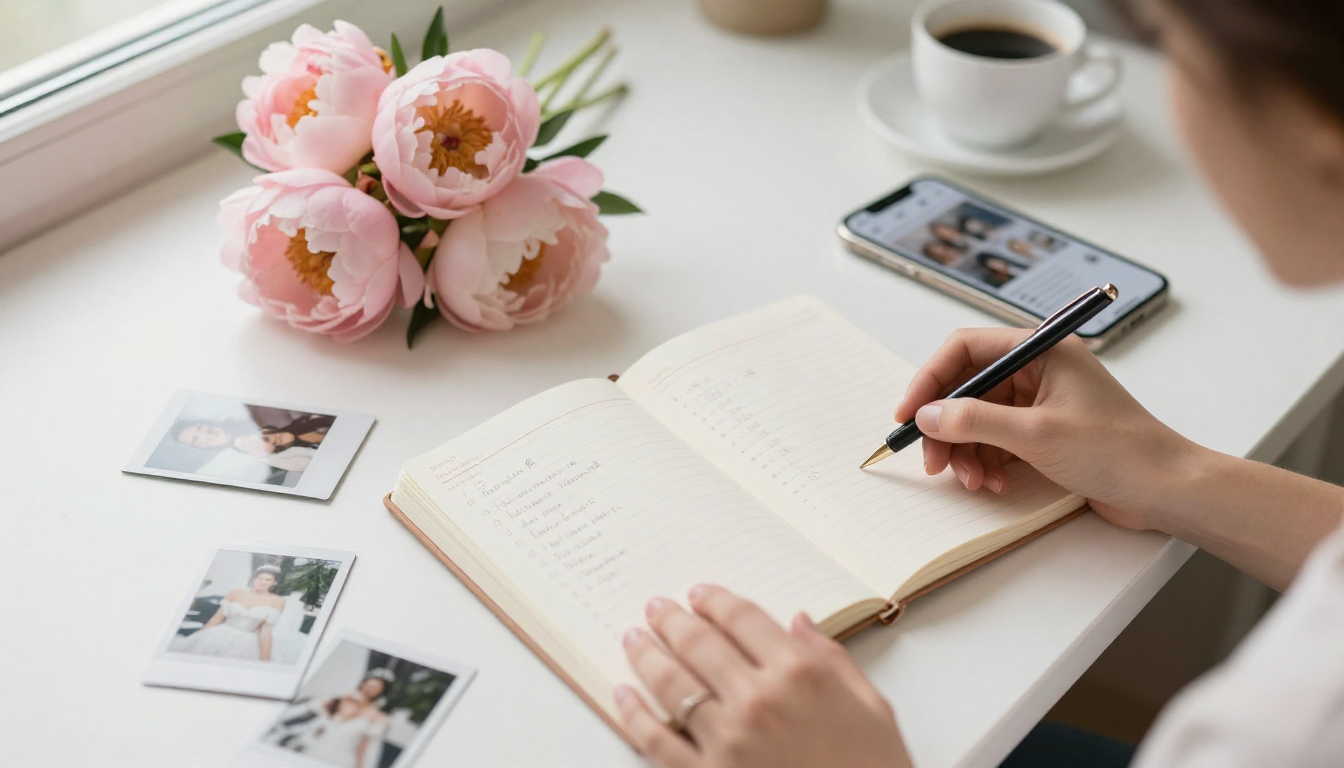
    Planning a wedding is a true financial marathon. On one hand, you want this day to be special and unforgettable, on the other – your budget isn’t unlimited. And suddenly, that initial amount you estimated starts growing at an alarming rate. Those decorations that looked beautiful on Pinterest cost a fortune. Your dream band has prices that make your head spin. And then there’s still the dress, the suit, the rings, the invitations… Sound familiar? Don’t worry – you’re not alone. Most couples face the same dilemma: where can you safely cut costs, and where might savings come back to haunt you?

    Why is planning a wedding budget such a challenge?

    Before we get into specifics, it’s worth understanding why it’s so easy to exceed your wedding budget. The main culprit is lack of experience – most of us only organize a wedding once in our lives and have no idea how much individual elements actually cost. Add to that social pressure, comparing ourselves to other couples, and the desire to impress guests. But a wedding should primarily be a celebration of your love, not a competition for the most spectacular party in the family.

    The key principle is: spend money on what truly matters to you. For one couple, it might be an amazing band that gets guests dancing, for another – an exquisite tasting menu, and for yet another – a fairytale location. You can’t have everything in the premium version, but you can wisely distribute your priorities.

    What should you definitely not skimp on?

    Photographer and wedding documentation

    This is an absolute priority. When the wedding is over, you’re left with memories and photos. You’ll forget mediocre food after a week, uncomfortable shoes after a month, but poor photos will haunt you for a lifetime. A professional photographer is an investment that pays off for years – you’ll return to these photographs on anniversaries, show them to your children, hang them on walls.

    A good wedding photographer isn’t just someone with a camera. It’s someone who knows how to capture emotions, how to work in difficult lighting, how to make you look natural rather than stiff. An experienced professional can also organize the session so you don’t lose half the reception to posing.

    And now the flip side – even the best photographer can’t be everywhere. They won’t see grandma wiping away a tear of emotion in the corner of the room, won’t capture a spontaneous selfie at the bar, or your friends’ crazy dance moves. That’s why more and more couples are choosing to supplement professional documentation with photos from guests. Solutions like PixFiesta allow you to collect all those spontaneous shots in one place – without having to chase guests afterward to send their photos.

    Food and drinks

    Hungry guests are unhappy guests. Seriously, there’s nothing worse than a wedding where people leave with rumbling stomachs. The menu doesn’t have to be fancy – quality and quantity matter. It’s better to go with classic, well-prepared dishes than culinary experiments that might not suit everyone’s taste.

    The same goes for alcohol – you don’t need to serve premium champagne, but very cheap drinks can result in unpleasant consequences the next day. The sweet spot is trusted producers in the mid-range price bracket.

    A good location and venue

    The place determines the atmosphere of the entire reception. A cramped, stuffy room with poor acoustics can ruin even the best-planned wedding. Pay attention to practical aspects: is there space for a dance floor, does the air conditioning work efficiently, are there enough restrooms, is there space for a potential photo session?

    Where can you safely cut costs?

    Decorations and floristry

    Decorative extravagance is often money thrown away. Guests spend most of their time eating, chatting, and dancing – they really don’t analyze every inch of table decorations. Instead of extravagant floral arrangements costing a small fortune, go for simpler solutions: candles, green branches, elegant ribbons. The effect can be equally beautiful at a fraction of the cost.

    A great trick is also to use the natural beauty of the location. If you’ve chosen a picturesque manor with a garden or a rustic farmstead, the space itself does the work – you don’t need to cover it with additional decorations.

    Paper invitations

    In the age of digital communication, paper invitations are becoming less essential. Of course, for some guests (especially the older generation) a traditional invitation has sentimental value, but do you really need hand-calligraphed envelopes with wax seals? Simple, elegant invitations from an online print shop combined with an electronic save-the-date is a sensible solution.

    Traditional photo booths

    Photo booths were a hit, but their time is slowly passing. Expensive to rent (often costing as much as several hours of photographer time for one evening), they take up space, create queues, and generate tons of paper prints that end up in the trash. And the photos? Often not the best quality and limited in number.

    Are there better ways for guests to have photography fun? Definitely yes. Modern photo-collecting apps, such as PixFiesta, offer many more possibilities at a significantly lower cost. Guests take photos with their own phones (which they have with them anyway), scan a QR code, and can immediately add photos to a shared gallery. No app installation, no logging in, no complications. And you have all the photos in one place – not just posed shots from a booth, but authentic moments from the entire wedding.

    Gadgets and guest favors

    Honestly? Most wedding favors end up in a drawer or the trash. Personalized glasses, magnets, keychains – they’re nice, but does anyone actually use them? If you want to give guests something as a memento, it’s better to go with something useful or edible. Local specialties, honey from a neighbor’s apiary, homemade liqueurs – such gifts have soul and won’t end up as useless clutter.

    Smart ways to optimize your budget

    Choose an off-season date. Weddings in May, June, or September are the most expensive. If you can, consider a date in November, January, or March – the same services often cost 20-30% less.

    Consider a weekday wedding. A Friday or Sunday reception means significant savings on the venue and catering, and guests will take the day off anyway.

    Fewer guests = bigger budget per person. Do you really need to invite distant cousins you haven’t seen in years? An intimate wedding for 50 people can be much more enjoyable (and cheaper) than a party for 150 guests.

    Use your friends’ talents. Maybe someone in the family bakes amazing cakes? Or perhaps a friend does makeup professionally? Of course, you need to ask honestly and thank them appropriately, but such solutions can significantly ease the budget.

    Wedding documentation – how to not overpay while having everything

    Since you already know that a photographer is a sacred item in the budget, it’s worth thinking about how to maximize your wedding documentation. You’ll get professional photos after a few weeks – that’s standard in the industry. But what about the time in between?

    This is where digital solutions come to the rescue. The PixFiesta app costs a fraction of what you’d pay for an hour of photographer work. And it gives you access to photos from guests in real time. Imagine: that very same evening you can browse hundreds of photos from different perspectives. Your aunt captured your first dance, a friend took a great shot of grandma on the dance floor, and college buddies captured the crazy fun at the bar.

    Importantly – guests don’t have to install anything or register anywhere. They just scan a QR code (which you can place on tables, in invitations, or on special signs) and can immediately add photos to the shared gallery. Simple, intuitive, and works on any smartphone.

    Summary – Your budget, your priorities

    There’s no universal recipe for the ideal wedding budget. What’s an unnecessary expense for one couple might be an absolute must-have for another. The key is making conscious decisions – know what you’re paying for and why.

    Remember a few basic principles:

    1. Don’t skimp on photography – it’s the only thing that will last for years
    2. Food and drinks affect guest comfort more than decorations
    3. Decorations and favors are the easiest places to cut costs
    4. Photo booths can be replaced with cheaper and more practical digital solutions
    5. The date and day of the week have a huge impact on price

    A wedding should be a celebration of your love, not a cause for financial stress for years to come. Plan wisely, set your priorities, and don’t let it drive you crazy. And if you’re looking for a simple way to collect all wedding photos from guests without spending a fortune on a photo booth – see how it works.

    Try PixFiesta for free and discover how easy it is to collect memories from all your guests in one place.

  • Save the Date – When and How to Send Pre-Invitation Announcements?

    Save the Date – When and How to Send Pre-Invitation Announcements?

    Planning a wedding, birthday, christening, or another important celebration? You certainly want your guests to know about it well in advance. This is where save the date comes in – a short but incredibly useful message that allows guests to reserve the date in their calendar before receiving the official invitation. But when exactly should you send such information? In what form? And is it even worth bothering with? We answer all these questions!

    What is a save the date and why should you send one?

    A save the date is an event announcement. It’s not yet an official invitation with all the details – it’s more of a friendly signal: “Hey, something important is happening on this day, save the date!” This way, guests can plan their holidays well in advance, arrange childcare, or simply not schedule other commitments.

    It’s particularly useful for weddings, anniversaries, or large family gatherings where some guests may be traveling from far away. Imagine your aunt from Seattle finding out about a wedding in Miami just a month before – the chances of cheap flights and available hotel rooms drop dramatically. But if she knew six months in advance? A completely different story!

    When to send a save the date?

    Timing is key. Sending a save the date too early might cause guests to forget about the event, while too late means they won’t have time to prepare. So what’s the sweet spot?

    Weddings and large celebrations

    For weddings, save the dates are typically sent 6 to 12 months before the planned date. If you’re planning a wedding during the popular season (May-September), it’s better to opt for the longer timeframe. The same applies when many guests need to travel from abroad or from distant parts of the country.

    Birthdays, christenings, communions

    For smaller family celebrations, 2-4 months in advance is sufficient. This gives guests time to plan their travel and possible accommodation, but isn’t so early that the date evaporates from their memory.

    Corporate events and gatherings

    Here it’s worth sending a save the date about 6-8 weeks before the event. In the business environment, calendars fill up quickly, so earlier notice significantly increases attendance.

    What should a save the date include?

    Remember that a save the date is not a full invitation – it should be short and specific. Here are the essential elements:

    • Event date – this is obvious, but it’s worth highlighting and writing it clearly
    • Type of celebration – wedding, 50th birthday, little Tommy’s christening
    • Names of the hosts – who is inviting (the couple, the birthday person, the child’s parents)
    • Location – just the city or region is enough, the detailed address will appear in the invitation
    • Information that the official invitation will follow

    You can also add a short, personal note or ask for a preliminary RSVP – especially if you’re planning a destination wedding or an event in an unusual location.

    In what form should you send a save the date?

    You have several options to choose from, and each has its pros and cons. Let’s look at them one by one.

    Traditional postcards

    The elegance of classics. Paper save the dates look beautiful and can be hung on the fridge as a reminder. They work great for formal celebrations where you want to build atmosphere from the very first contact with guests.

    The downside is obviously the cost – printing, envelopes, stamps. With a list of 100 guests, this can be a moderately expensive undertaking. There’s also the time needed for preparation and mailing. And what if someone changes their address or the card gets lost in the mail?

    Emails

    Fast, affordable, practical. Email arrives instantly and costs nothing. You can attach a nice graphic, or even a link to Google Calendar so guests can add the event to their planner with one click.

    The downside? Emails are easy to overlook or forget about in the flood of daily correspondence. They also don’t have that “wow effect” that a beautiful card in the mailbox provides.

    Social media messages

    The fastest option. Messenger, WhatsApp, text messages – you’ll reach everyone in a few minutes. It’s an ideal solution for more casual parties where formal etiquette doesn’t take center stage.

    But do you really want to announce your wedding in a group message on Messenger? For important celebrations, this might sound too… casual. Plus, it’s easy for chaos to ensue when guests start replying, asking questions, and having side conversations.

    Dedicated websites

    More and more couples are creating wedding websites where they post all information – from save the date, through ceremony details, to the gift registry. It’s an elegant and practical solution, but requires time to prepare (or money if you hire a professional).

    Can you combine tradition with modernity?

    Of course! And here’s where an interesting idea comes in. Many people opt for a hybrid approach – sending traditional cards with a QR code that leads to a page with additional information. It’s a way to maintain an elegant form while utilizing technology.

    And speaking of QR codes and collecting memories from important events – it’s worth thinking not only about how to invite guests, but also how to collect their photos afterward. Because everyone will be taking photos with their smartphone, right? And how do you gather all those photos in one place afterward?

    From save the date to photo gallery – plan everything in advance

    By sending a save the date, you’re beginning to plan your big day. But it’s worth thinking now about what comes after the party. One of the biggest challenges is collecting photos from guests – everyone promises to send them, but in practice… well, exactly.

    Traditional methods rarely work. Group albums on Facebook? Half the guests don’t have an account or don’t want to upload private photos there. Google Drive? “Send me the link again, I lost it somewhere.” WhatsApp groups? Chaos and hundreds of notifications.

    That’s exactly why tools like PixFiesta were created. They work on a simple principle – you get a unique QR code that you place on invitations, save the dates, and then at the event itself (on tables, at the bar, at the entrance). Guests scan the code with their phone and can immediately add photos to the shared gallery. No logging in, no downloading apps, no complications.

    How to combine save the date with a photo collection app?

    Here’s a clever idea: already at the save the date stage, you can mention to guests how you’ll be collecting photos from the event. You could write something like:

    “We’ll collect wedding photos through a special app – details in the invitation!”

    And in the official invitation, you’ll include the QR code leading to the gallery. This way, guests will be prepared and more likely to use this option during the reception itself.

    Importantly, PixFiesta is a budget-friendly one-time purchase – significantly cheaper than a traditional photo booth or hiring an additional photographer. And photos from guests are often the most valuable because they show the party from the participants’ perspective, not just from the professional behind the lens.

    Practical tips to finish

    Let’s summarize the most important save the date tips:

    • Start with the guest list. Before you send anything, make sure you have current contact information for everyone
    • Be consistent. If you’re sending paper cards, send them to everyone. Mixing formats might make someone feel less important
    • Don’t overload with information. A save the date is an announcement, not an encyclopedia. Details will come later
    • Ask for confirmation. A quick “let me know if you received it” will help you ensure the message wasn’t lost
    • Think about the future. Plan not only the invitations but also a way to collect memories from the party

    Summary

    A save the date is a simple but incredibly useful element of planning any larger celebration. Sent at the right time (6-12 months before a wedding, 2-4 months before smaller events), they allow guests to plan their attendance and prepare for your big event.

    Whether you choose traditional cards, emails, or social media messages – the most important thing is that the information reaches everyone. And once guests arrive and start taking photos with their phones, make sure you have a way to collect all those memories in one place.

    Planning an event and want to have all your guests’ photos in one convenient gallery? Try PixFiesta for free and see how easy it can be to solve the problem of scattered photographs!

  • A Wedding Without a DJ – Is It a Good Idea?

    A Wedding Without a DJ – Is It a Good Idea?

    The music fades, guests look around uncertainly, and you’re wondering who’s going to announce the first dance. Sounds like a nightmare? Or maybe… a conscious decision? More and more couples are choosing to have their wedding without a traditional DJ, opting for alternative music solutions. Is this a bold step toward a unique celebration, or a risky cost-cutting measure that could end in disaster? Let’s explore the real pros and cons of this approach.

    Why Are Couples Ditching the DJ?

    For years, a wedding DJ was an essential part of every reception. They led games, announced each part of the program, and made sure the dance floor was never empty. But times are changing, and so are couples’ expectations. Here are the most common reasons why DJ-free weddings are gaining popularity.

    Budget savings. A good wedding DJ can be quite expensive – sometimes even a premium investment. For couples who want to allocate their money toward other wedding elements – better food, more beautiful florals, or a longer honeymoon – skipping the DJ seems like a sensible compromise.

    Creating an intimate atmosphere. Not every couple dreams of a big party with a hundred guests and microphone games. Intimate weddings are becoming increasingly popular, where music plays in the background and guests can chat freely without shouting over the speakers.

    Full control over the playlist. How many times have you heard the same overplayed wedding songs at receptions? If you’re tired of wedding classics and want only the music you love playing at your celebration – your own playlist gives you complete control.

    Aversion to wedding entertainment. Balloon contests, trivia games about the couple, chants with every toast – for some, this is the essence of a good party, for others, pure torture. Skipping the DJ often means saying goodbye to these elements too.

    Alternatives to a Traditional DJ

    Deciding on a wedding without a DJ doesn’t mean having a silent reception. There are several proven solutions that can replace a traditional entertainer. Each has its advantages and disadvantages – let’s take a closer look.

    Your Own Playlist and Good Sound System

    How does it work? You prepare a playlist on Spotify, Apple Music, or YouTube Music, rent professional sound equipment, and designate one or two people responsible for the music during the reception. Simple, right?

    Advantages: Full control over the music, significant savings (equipment rental is typically quite affordable), the ability to create a truly personalized atmosphere. You can create different playlists for different moments – calmer ones for dinner, energetic ones for the evening party.

    Disadvantages: Someone has to manage the music throughout the entire wedding, which means that person won’t be able to fully enjoy the celebration. No professional who can sense the dance floor’s energy and adjust the music in real-time. Risk of technical mishaps – what if the app crashes or the internet fails?

    Live Band

    How does it work? Instead of a DJ, you hire a live band to perform during the reception. This could be an acoustic duo, a jazz quartet, or a full cover band.

    Advantages: An unmatched atmosphere that only live music can provide. Elegance and prestige – guests will remember such a wedding for a long time. Musicians can respond to guests’ moods and adjust their repertoire.

    Disadvantages: Cost – a good band is a premium investment, often significantly more expensive than a DJ. Technical breaks – musicians need to rest, so you’ll still need a playlist for pauses. Limited repertoire compared to a DJ who has access to thousands of tracks.

    Hybrid Solution – DJ Without the Entertainment

    How does it work? You hire a DJ, but establish beforehand that their role is limited exclusively to playing music – no entertainment, contests, or announcements through the microphone.

    Advantages: A professional at the equipment who knows how to build energy on the dance floor. Smooth transitions between tracks. Ability to respond to guests’ requests.

    Disadvantages: Not every DJ will agree to such conditions – many consider leading entertainment an integral part of their job. The price usually isn’t significantly lower than for the full service.

    Practical Tips – How to Organize a Wedding Without a DJ

    If you’ve decided on a reception without a traditional entertainer, here are some tips to help you avoid the most common mistakes.

    Invest in professional sound equipment. Don’t rely on a Bluetooth speaker and a phone – for a wedding, you need proper equipment. Rent speakers, a mixer, and a microphone for announcements. Many companies offer comprehensive rental packages including technical support.

    Prepare a Plan B. What if Spotify stops working? Have an offline copy of your playlist. What if the person responsible for music gets sick? Train a second person. Weddings have their own rules – something can always go wrong.

    Designate a “master of ceremonies.” Even if you don’t want traditional entertainment, someone needs to announce the first dance, cake cutting, and bouquet toss. This could be the best man, maid of honor, or another close person – but make sure they know what to say and when.

    Create several playlists for different moments. Different music works during dinner, different during the evening party, and different still when guests are slowly heading home. Plan this in advance so you don’t have to think about it on your wedding day.

    Inform your guests. If you’re planning an intimate reception without wild dance floor antics, let your guests know. Some might be surprised that no one’s calling them up for chair games – while others will breathe a sigh of relief.

    Is a Wedding Without a DJ a Good Idea? Summary

    There’s no definitive answer – it all depends on your expectations, your guests’ personalities, and the type of celebration you want to organize.

    A wedding without a DJ works well when:

    1. You’re planning an intimate reception for a smaller group of guests
    2. You want a calm, elegant atmosphere
    3. You have a specific musical vision and don’t want compromises
    4. You’re not fans of traditional wedding games
    5. You want to save on your wedding budget

    Better to stick with a DJ when:

    1. Most of your guests expect a traditional wedding with entertainment
    2. You’re planning a large reception that requires coordination
    3. You don’t have anyone who could responsibly handle the music
    4. You want a packed dance floor all night long

    Regardless of what decision you make about music, it’s worth thinking about documenting the entire event. A professional photographer will capture the most important moments, but it’s the guests who have access to behind-the-scenes moments – funny situations at the tables, spontaneous photos on the dance floor, emotional moments that escape official photography.

    With PixFiesta, you can collect all these shots in one place. The cost is very affordable, and in return, you get an online gallery where every guest can add their photos – no login required, no installation needed, just scan a QR code. It’s a great complement to professional photos and a way to see your wedding through your loved ones’ eyes.

    A wedding without a DJ is a bold decision, but with good planning, it can give you exactly the celebration you’ve been dreaming of. Just remember to prepare thoroughly – proper equipment, well-thought-out playlists, and a backup plan. And leave the documentation to your guests and their smartphones – with the right tools, you’ll collect all those memories without any effort.

    Try PixFiesta for free and see how easy it is to collect photos from all your guests in one place – whether your wedding features a DJ, a live band, or your favorite playlist.

  • How to Choose the Perfect Wedding Venue? 10 Questions You Must Ask

    How to Choose the Perfect Wedding Venue? 10 Questions You Must Ask

    Choosing a wedding venue is one of the most important decisions you’ll make when planning your big day. It’s the place where you’ll spend many hours with your loved ones, where hundreds of photos will be taken, and where – hopefully – everyone will have a fantastic time. The problem is that during your first visit, it’s easy to get charmed by beautiful decor and forget to ask the crucial questions. And then? Then the surprises begin – and unfortunately, they’re not always pleasant ones.

    We’ve prepared a list of 10 questions you absolutely must ask before signing the contract. These will help you avoid disappointments and choose a venue that truly meets your expectations.

    Question 1: What is the actual capacity of the venue?

    It’s not just about the number of chairs. Venue owners often quote maximum capacity, but this number rarely accounts for the dance floor, cake table, space for the DJ or photographer, as well as room for guests to move around comfortably. Ask directly: “How many people can comfortably celebrate in this space?” – emphasizing the word “comfortably.” The difference between 120 and 150 guests can mean either a comfortable party or crowded chaos.

    Also remember to ask about the minimum number of guests. Some venues require a specific minimum, and if your guest list is shorter, you might end up paying for empty seats.

    Question 2: What exactly does the price include?

    This question could save your budget. The per-person price sounds tempting, but the devil is in the details. Is alcohol included? If so, what kind – just wine and beer, or spirits as well? Is the wedding cake included? What about coffee and tea after midnight? What about table decorations, tablecloths, napkins?

    Ask for a detailed list of everything included in the basic package, plus a price list for extras. Some venues offer a seemingly low price, but then it turns out you have to pay extra for every detail. Others have a higher starting rate, but everything is truly included. Calculate carefully before comparing offers.

    Question 3: What are the rules regarding alcohol?

    Alcohol is often the biggest wedding expense. Does the venue offer its own bar, or can you bring your own alcohol? If you can bring your own – is there a corkage fee and how much is it? Or does the venue have an agreement with a specific supplier, leaving you no choice?

    Also ask about serving rules. Do waiters pour the drinks, or do guests serve themselves? What about liability if a guest has too much to drink? These aren’t pleasant topics, but it’s better to clarify them before the wedding than to worry during it.

    Question 4: What time does the party have to end?

    Noise restrictions are not a myth. Many venues have strict hours during which loud music can be played. Ask whether the DJ has to turn down the volume at midnight or can play until dawn. Is there an option to extend the party and how much does it cost? What happens if the event runs over the agreed time?

    If you’re planning an all-night wedding (and most couples do), make sure the venue can accommodate this without additional complications.

    Question 5: Is overnight accommodation available for guests?

    Accommodation logistics can be a real headache. The ideal situation is when guests can stay overnight at the same place where the wedding is held. Ask how many rooms are available, what the nightly rate is, and whether the newlyweds get a room included in the price. Are the rooms exclusively for wedding guests, or might other hotel guests be staying there too?

    If the venue doesn’t offer accommodation, ask for recommendations for nearby hotels or guesthouses. Some venues have partnership agreements and can offer discounts for wedding guests.

    Question 6: What’s the parking situation?

    Nothing irritates guests more than no place to park. Ask how many parking spaces are available and whether parking is free. Is it lit and monitored? What if some guests leave their cars overnight – is that allowed?

    If parking is limited, it’s worth considering organizing transportation for guests or at least informing them in advance about alternative options.

    Question 7: Can we choose our own vendors?

    Freedom of choice has its price – or doesn’t. Some venues require you to use only vendors from their approved list – photographer, DJ, florist, baker. Others give you complete freedom. Ask directly: can we hire our own photographer? Can the DJ be from outside? Can we order the cake from a different bakery?

    If the venue mandates specific vendors, ask for portfolios and references. Sometimes their partners are truly excellent, but it’s always worth having the opportunity to review their previous work.

    Question 8: What’s the backup plan for bad weather?

    Summer weather can be unpredictable. If you’re planning an outdoor ceremony or part of the reception outside, definitely ask about the contingency plan. Is there a tent or canopy? Does the venue have enough indoor space to move everything inside? How quickly can such a change be organized?

    While you’re at it – also check what air conditioning options the venue has. A July wedding without air conditioning is a real disaster you don’t want to experience.

    Question 9: What are the rules for decorating the venue?

    Your vision might not align with the regulations. Can you hang decorations on the walls? Use candles (real ones, not just LED)? Does the venue allow confetti and rose petals? After the wedding, are you responsible for cleanup, or is that included?

    Also ask about setup time. When can you come to decorate? The day before, or only on the wedding day? This is especially important if you’re planning elaborate DIY decorations.

    Question 10: What attractions does the venue offer?

    Photo booth, chill-out zone, garden – these are elements that can set a venue apart. Ask what’s included in the price and what costs extra. If the venue offers a photo booth, check whether the photos will be available digitally – printed copies are a nice touch, but they often get lost before you return from your honeymoon.

    Bonus: What else is worth keeping in mind?

    Beyond these 10 questions, there are a few additional matters worth considering:

    1. Date flexibility. Is the venue only available on Saturdays, or also on Fridays? A Friday wedding often means a lower price.
    2. Cancellation policy. What happens if you need to cancel or postpone the wedding? What’s the deposit refund schedule?
    3. References. Ask for contact information for couples who have held weddings at this venue. Honest opinions from former clients are priceless.
    4. Trial visit. Can you come for a menu tasting? Can you see the venue decorated for another wedding?

    How not to lose precious memories?

    Even the best venue and the best photographer won’t capture everything. Your guests will take hundreds of photos on their phones – funny, spontaneous, often better than the official shots. The problem is that these photos usually end up scattered across dozens of phones and never make their way to you.

    The solution is PixFiesta. It works very simply – you create an event, get a unique QR code that you place on tables or in invitations. Guests scan it with their phones and can immediately add photos to a shared gallery. No app installation, no account creation, no complicated instructions. And you have all the photos in one place, available immediately and forever.

    This solution costs just a fraction of what you’ll spend on your wedding – and gives you peace of mind that no precious memory will be lost on someone’s phone.

    Summary

    Choosing a wedding venue is a decision you’ll live with throughout your wedding day (and in all the photos for the rest of your life). Take your time, ask questions, and don’t be afraid to negotiate. A good venue will patiently answer all your concerns – if you feel pressure or topic avoidance, treat it as a warning sign.

    Also remember that the venue is just the beginning. Equally important is how you preserve the memories from this special day. A professional photographer will handle the official shots, but spontaneous guest photos are often the most precious. Make sure none of them get lost.

    Try PixFiesta for free and see how easy it is to collect all your wedding photos in one place.

  • Outdoor Wedding – What Do You Need to Remember?

    Outdoor Wedding – What Do You Need to Remember?

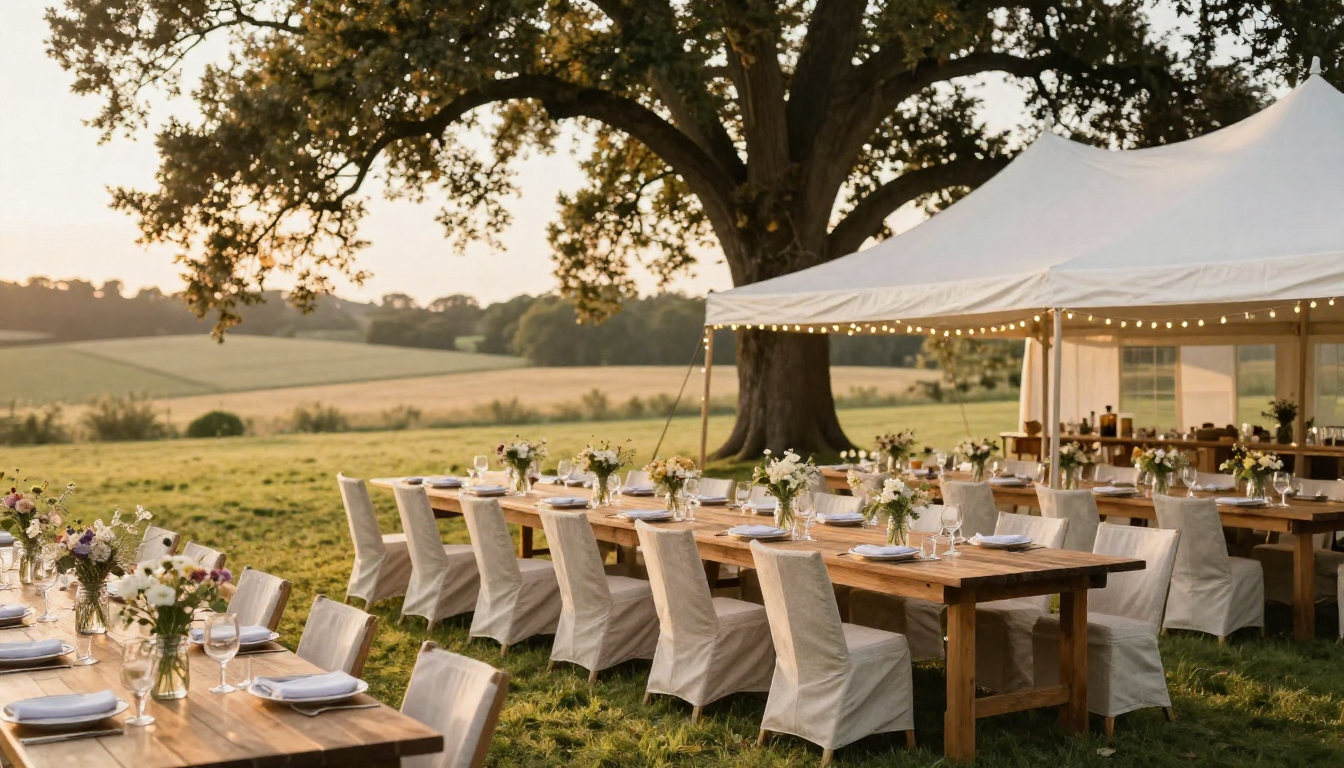
    Sunlight filters through the tree canopy, a gentle breeze stirs the tulle decorations, and your “I do” echoes through nature instead of within the walls of a reception hall. An outdoor wedding is a dream for many couples – romantic, unique, full of magic. But before you start searching for the perfect location among meadows and gardens, you should know that an outdoor celebration is a completely different organizational league. What do you need to remember so your dream day doesn’t turn into a logistical nightmare?

    Why are outdoor weddings so popular?

    The trend for outdoor weddings has been growing year after year. It’s no wonder – photos from such celebrations look absolutely magical, and guests remember them as a unique experience. Instead of a formal banquet hall, you have space, fresh air, and an unparalleled setting. Seriously, it’s hard to resist the vision of exchanging vows under a sprawling oak tree or having your first dance under the stars.

    But does this mean outdoor venues are all advantages? Not quite. An open-air wedding requires significantly more planning than a traditional reception in an enclosed space. Weather, logistics, guest comfort – you need to consider all of this from the very first stages of preparation.

    Location – the foundation of a successful outdoor wedding

    Choosing the right venue is absolutely essential. Not every beautiful meadow is suitable for a wedding, even if it looks stunning in Instagram photos.

    What to consider when choosing a location?

    1. Access to utilities. Electricity, water, restrooms – these aren’t just details, they’re necessities. Check whether the venue has connections or what the costs are for providing them (e.g., generators, portable toilets).
    2. Guest access. A romantic clearing in the middle of a forest sounds beautiful, but can your grandmother actually get there? Think about parking and possible transportation for guests.
    3. Permits and formalities. Organizing an event in certain locations requires permission from the property owner, and sometimes even permits from local authorities.
    4. Plan B. Does the location offer an alternative in case of rain? A tent is one thing, but is there space to set one up?

    Popular options include gardens at manor houses and estates, vineyards, agritourism farms with large grounds, as well as private properties belonging to family or friends. Each has its own advantages and challenges.

    Weather – your greatest friend or foe

    Sounds obvious? Maybe. But underestimating unpredictable weather is a mistake that has cost many couples their peace of mind.

    Always, and we mean always, have a backup plan. Even if the forecast a week before the wedding shows clear skies and sunshine, weather can change in a matter of hours. A wedding tent is the absolute minimum – and we’re not talking about a small gazebo, but a solid structure that can accommodate all your guests and protect them from rain, wind, and even heat.

    Practical weather tips

    1. Heat. Provide shade, fans for guests, plenty of cold drinks, and portable fans. Consider moving the ceremony to later hours.
    2. Rain. A tent with solid side walls, pathways lined with boards or carpet (mud and heels are a tragic combination), umbrellas for guests.
    3. Wind. Secure decorations, avoid tall unstable elements, inform guests (especially ladies in dresses!).
    4. Evening chill. Even in summer, evenings can get cold. Blankets for guests, patio heaters, or a bonfire are great solutions.

    Guest comfort – don’t forget the basics

    It’s easy to focus on aesthetics and your own vision while forgetting about the practical needs of your guests. After all, they’ll be spending many hours at your wedding.

    Restrooms. If the location doesn’t have enough bathrooms, invest in elegant portable toilets (yes, they exist and actually look quite nice!). The standard rule is a minimum of one unit per 25-35 guests.

    Seating areas. Not just at tables – think about a chill-out zone with comfortable seating where guests can take a break from dancing and conversation.

    Guest information. Send detailed information in advance about the location, dress code (definitely mention comfortable footwear!), and what they can expect. Guests who know they’re attending an outdoor wedding will come appropriately prepared.

    Photo documentation – how to capture all the memories?

    An outdoor wedding is a photographer’s paradise. Natural light, picturesque backdrops, space for creative shots – photos from such a celebration are simply exceptional. But there’s one catch: while the professional photographer focuses on the couple and key moments, guests take hundreds of photos that capture completely different perspectives and spontaneous moments.

    The problem? These photos usually get lost in the depths of phones, and promises of “I’ll send it to you on Messenger” rarely come true.

    The solution can be a guest photo collection app like PixFiesta. Guests scan a QR code placed on tables or in invitations and can immediately upload their photos to a shared gallery – no login required, no app to install. This is especially useful at an outdoor wedding where guests spread out across the entire venue and take photos in various corners.

    Decorations and styling – with nature, not against it

    The outdoors is a decoration in itself, so you don’t need to go overboard with additions. Less is more – let the natural surroundings speak for themselves.

    Proven ideas for outdoor decorations

    1. Use nature. Branches, wildflowers, wooden elements blend perfectly with the surroundings.
    2. Lighting is key. String lights, lanterns, candles in jars – they create a magical atmosphere in the evening.
    3. Stability. All decorations must be wind-resistant. Light paper elements look beautiful but can fly around the entire garden.
    4. Ceremony area. Define a clear spot for the ceremony – it could be a floral arch, a greenery wall, or simply a beautiful old tree.

    Catering and food – challenges of an outdoor menu

    Food outdoors follows different rules than in an air-conditioned hall. Heat can spoil delicate appetizers, and insects will certainly want to join the feast.

    Work with a caterer experienced in outdoor events. Such a team knows how to protect food, which dishes work well outside, and which to avoid. Food trucks are a great alternative to traditional catering – they add character and are designed to work in any conditions.

    Also remember about beverages – on hot wedding days, guests drink significantly more than usual. A lemonade bar, flavored water station, or a keg of cold beer are excellent solutions.

    Music and sound – acoustic challenges of outdoor venues

    In open spaces, sound behaves completely differently than in an enclosed room. What sounds loud in a hall may be barely audible outside.

    1. Professional sound system. Don’t skimp on this – guests need to hear your vows and speeches.
    2. DJ or band with outdoor experience. They know how to adjust equipment and volume for open spaces.
    3. Noise regulations. Check local rules – some areas have restrictions on volume after certain hours.

    Day schedule – plan with buffer time

    An outdoor wedding requires more time for everything. Moving between zones, photos in different locations, potential weather-related delays – everything takes longer than in a traditional venue.

    Leave time buffers. If you think something will take an hour, plan for ninety minutes. It’s better to have a moment of calm than to rush through the entire day.

    Also inform your photographer and videographer about the nature of the wedding – outdoor settings require a different approach and often more time for sessions. And speaking of photos – encourage guests to start using PixFiesta from the very beginning of the ceremony. That way you won’t miss any shot, even if the professional was busy with something else at the time.

    Budget – what to prepare your wallet for?

    An outdoor wedding doesn’t have to be more expensive than a traditional one, but it has different costs. Some things that are included in the price at a banquet hall you’ll need to organize yourself here.

    Additional outdoor costs

    1. Tent rental (can range from moderately priced to quite expensive)
    2. Portable toilets
    3. Generator (if there’s no power connection)
    4. Professional sound and lighting equipment
    5. Guest transportation
    6. Additional backup arrangements for bad weather

    On the other hand, you can save on venue rental and have more flexibility in choosing catering and decorations.

    Pre-wedding checklist for outdoor celebrations

    To make sure you don’t miss anything, we’ve prepared a short checklist:

    1. Location personally inspected (preferably at the same time of year and day)
    2. Contracts and permits secured
    3. Plan B for bad weather
    4. Tent ordered and checked
    5. Restrooms reserved
    6. Caterer with outdoor experience
    7. Professional sound system
    8. Guest information sent (dress code, directions, parking)
    9. Wind-resistant decorations
    10. Guest photo collection system (e.g., QR codes for gallery)
    11. Blankets/heaters for the evening
    12. First aid kit and mosquito repellent

    Summary

    An outdoor wedding is a fantastic option for couples who dream of a unique, romantic day. It requires more planning and preparation than a traditional reception, but the result can exceed your wildest expectations. The key is to carefully think through all aspects – from location and weather, through guest comfort, to documenting this special day.

    Remember that the most beautiful memories aren’t just professional photos, but also spontaneous shots taken by guests throughout the celebration.

  • Wedding Trends 2026 – What Will Be in Style This Season?

    Wedding Trends 2026 – What Will Be in Style This Season?

    Picture this scene: you’re sitting with your fiancé, scrolling through Pinterest and Instagram looking for inspiration for your big day. You’re bombarded from all sides with photos of minimalist decorations, elegant dresses, and creative arrangements. But wait – what will actually be trending in 2026? Is it worth blindly following trends, or is it better to choose something timeless? Don’t worry, I’ve prepared a complete guide to wedding trends for the upcoming season. Some of them will surprise you!

    Colors of 2026 – Boldness Takes Center Stage

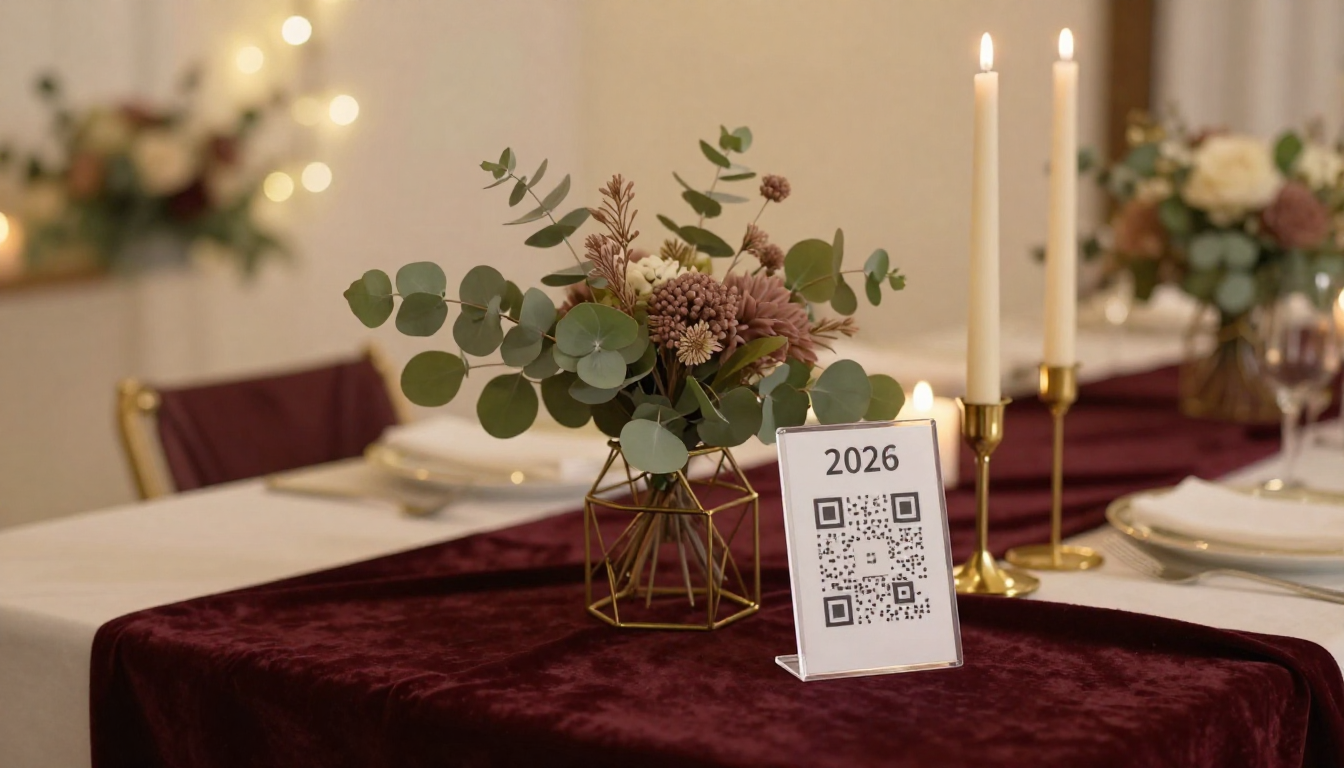
    Burgundy and deep plum are making a major comeback. After years of dusty pinks and off-whites dominating the scene, couples are increasingly reaching for intense, saturated colors. Burgundy accents, plum bouquets, and antique gold touches create an elegant, somewhat mysterious atmosphere. It’s the perfect solution for those who want to stand out from yet another “boho” wedding.

    Green in all its shades. Bottle green, sage, and olive will be particularly popular. They pair beautifully with natural materials – wood, linen, rattan. If you’re planning an outdoor wedding or a rustic style celebration, these colors will hit the mark perfectly.

    Shades of blue – from sky blue to navy. This is the real hit of the 2026 season! Blue symbolizes peace, loyalty, and depth of emotion. You can incorporate it into table decorations, invitations, and even the wedding dress – yes, blue accents on a white gown are one of the hottest trends!

    Wedding Dresses – Minimalism with an Edge

    Seriously, forget about princess-style creations with tons of tulle. In 2026, simple but sophisticated silhouettes that highlight the bride’s natural beauty will reign supreme.

    Satin and silk take center stage. Smooth, glossy fabrics that drape beautifully on the figure. Slip dress styles, inspired by the 90s, are getting new life. They’re elegant, sexy, and incredibly photogenic – which matters when you’ll be looking through hundreds of photos from that day later.

    Bold backs. Deep back cutouts, delicate chains, lace details – it’s the back of the dress that’s becoming its greatest feature. Minimalist front, spectacular back – this formula is winning the hearts of couples around the world.

    Colored wedding dresses. Yes, you read that right! Soft pink, champagne, and even light blue – brides are increasingly experimenting with color. It’s a great option for those who don’t feel comfortable in classic white or simply want to express their individuality.

    Decorations and Space Styling

    Less is more. No more overloaded tables and excessive decorations. In 2026, what counts is a thoughtful composition where every element has its place and meaning. A single spectacular element – a massive floral installation, a neon sign, an artistic wall – makes a bigger impression than dozens of small accessories scattered throughout the venue.

    Local seasonal flowers. The trend toward sustainability and locality has reached the wedding industry too. Instead of imported roses from the other side of the world, couples are choosing wildflowers, herbs, and plants available in the given season. It’s not only more eco-friendly but also more affordable and often much more original!

    Lighting as decoration. String lights, candles at various heights, lanterns – the right lighting can completely transform a space. In 2026, lighting stops being merely functional – it becomes a full-fledged decorative element.

    Wedding Catering – The End of Traditional Menus

    Sound familiar? Chicken soup, pork cutlet with potatoes, cream cake… More and more couples are saying “no” to traditional wedding menus in favor of more creative solutions.

    Food trucks and culinary stations. Instead of classic waiter service – interactive stations where guests compose their own dishes. Pizza straight from the oven, live Asian stir-fry, a burger station – it’s not just food, it’s entertainment!

    Tasting menu. Smaller portions, more courses, carefully paired wines with each. It’s an option for couples who want to serve their guests a true feast for the palate.

    Options for everyone. Veganism, gluten-free, elimination diets – in 2026, this is no longer a whim but a standard. The best wedding venues offer full-fledged alternatives for guests with special dietary needs.

    Technology at Weddings – Collecting Memories in New Ways

    And now the other side of the coin – how do you capture all those beautiful details, decorations, and emotions? Here, 2026 trends bring a real revolution.

    No more waiting for photos from the photographer. Of course, a professional session remains essential, but more and more couples want access to photos right away – those spontaneous ones taken by guests, which often capture the wedding atmosphere better than the most carefully staged shots.

    Shared online galleries. Remember the days when guests sent photos through various messengers, emails, and some never arrived? In 2026, that’s history. Tools like PixFiesta let you create a shared gallery where every guest can add photos via a simple QR code – no login, no app download, no complications.

    QR codes as decoration elements. Elegantly designed stands with QR codes at each table are a trend that combines functionality with aesthetics. Guests scan the code with their phone and can immediately upload photos to the shared gallery. Simple, right?

    Alternatives to Traditional Photo Booths

    Photo booths have been a hit for the past few years, but is it still worth investing in them in 2026? Let’s look at the options.

    Classic Photo Booth

    Pros: Guests love the fun props and instant prints. It’s a proven form of entertainment.

    Cons: High cost (often quite expensive to rent), takes up a lot of space, creates lines, and photos only go to the people who took them – you don’t have access to them as the couple.

    Disposable Cameras on Tables

    Pros: Vintage vibe, guests love this nostalgic touch.

    Cons: Development costs, many photos turn out blurry or poorly exposed, you have to wait for pickup – sometimes for weeks.

    Shared Online Gallery with QR Code

    Pros: Everyone uses their own phone (which they always have with them), photos are good quality, instant access for everyone, zero technical maintenance, budget-friendly price.

    Cons: Requires guests to have smartphones with internet access – but let’s be honest, in 2026 that’s no longer an issue.

    That’s exactly why solutions like PixFiesta are becoming increasingly popular. For an affordable price, you get a gallery where every guest can add photos throughout the day and night – no limits, no login, no stress. As the couple, you can watch the incoming photos in real-time, and after the wedding, you have everything collected in one place.

    Trends in Wedding Entertainment

    Interactive attractions. Instead of traditional games that often only entertain the most extroverted guests, couples are choosing attractions where everyone can participate on their own terms. Bartending shows, cocktail-making workshops, live cooking – it’s entertainment that engages without forcing.

    Live music. DJs remain popular, but in 2026, bands are making a comeback. Even if not for the whole night – a few hours of live music at the beginning of the wedding creates an unforgettable atmosphere.

    Relaxation zones. Cozy corners with pillows and blankets, a place to rest from the noise and dancing. Guests, especially older ones or those with small children, appreciate the chance for a moment of respite.

    Eco-Wedding – A Trend That’s Here to Stay

    Digital invitations. Elegant, animated invitations sent by email or through social media. Zero paper, zero printing and shipping costs, easy information updates.

    Meaningful favors. Instead of jars of honey or bubbles to blow – a donation to a chosen charity on behalf of guests or plant seedlings that guests can take home.

    Local products. Wine from a local vineyard, cheese from a nearby producer, flowers from a local meadow – supporting local suppliers is a trend that makes sense not only ecologically but also economically.

    Summary – Your Wedding, Your Rules

    Wedding trends for 2026 have one common denominator: authenticity. Couples are increasingly boldly abandoning what’s “expected” in favor of what they actually like and what reflects their personality. Burgundy or pastels? Traditional dinner or food trucks? Photo booth or shared online gallery? Ultimately, you decide.

    One thing is certain – regardless of your wedding style, you’ll want to preserve the memories from this special day. Make sure photos from guests don’t get lost in the depths of group chats. Tools like PixFiesta let you collect all the photographs in one place, effortlessly and stress-free – for both you and your guests.

    Planning a wedding in 2026? See how easily you can organize a shared photo gallery for your guests!

    Try PixFiesta for Free

  • RSVP – What Does It Mean and How to Ask Guests to Confirm Their Attendance?

    RSVP – What Does It Mean and How to Ask Guests to Confirm Their Attendance?

    Imagine this situation: you’ve booked a venue for 80 people, ordered catering, and then… 95 guests show up to the wedding. Or the opposite – half the tables are empty because some invitees “somehow forgot” to confirm and changed their plans at the last minute. Sound familiar? That’s exactly why RSVP isn’t just an empty abbreviation on invitations, but your secret weapon in organizing any party.

    RSVP – What Does This Mysterious Abbreviation Actually Mean?

    RSVP is an abbreviation of the French phrase “Répondez s’il vous plaît,” which literally means “Please respond.” In practice, it’s an elegant request for guests to confirm (or decline) their attendance at an event. Although it sounds very formal and brings to mind aristocratic receptions, today we use it universally – from weddings, to christenings, to corporate team-building events.

    Why is this so important? Because organizing any party is based on numbers. You need to know how many people will be eating, drinking, sitting, and… taking photos. And speaking of photos – the more guests confirm their attendance, the more spontaneous party pictures you can collect. But more on that in a moment.

    Why Don’t Guests Respond to RSVPs?

    Before we move on to specific ways of collecting confirmations, it’s worth understanding why people so often ignore requests for responses. Seriously, it’s not malicious – most often it’s about:

    1. Putting it off until later. “I’ll respond tomorrow, I need to check my calendar” – and so a week passes, then a month…
    2. Uncertainty. Guests don’t know if they’ll be able to come, so they prefer not to commit too early.
    3. Lack of clear instructions. If the invitation doesn’t explicitly say how and by when to respond, people get confused.
    4. Plain forgetfulness. In the rush of daily life, the invitation card ends up at the bottom of a drawer.

    And now the other side of the coin – as an organizer, you have every right (and reason!) to expect a response. Catering is counted per person, seats at tables don’t multiply on their own, and the photographer wants to know how many group shots to plan. That’s why the key is making the confirmation process easier for guests.

    How to Ask Guests to Confirm Attendance – Proven Methods

    Traditional RSVP Card in the Invitation

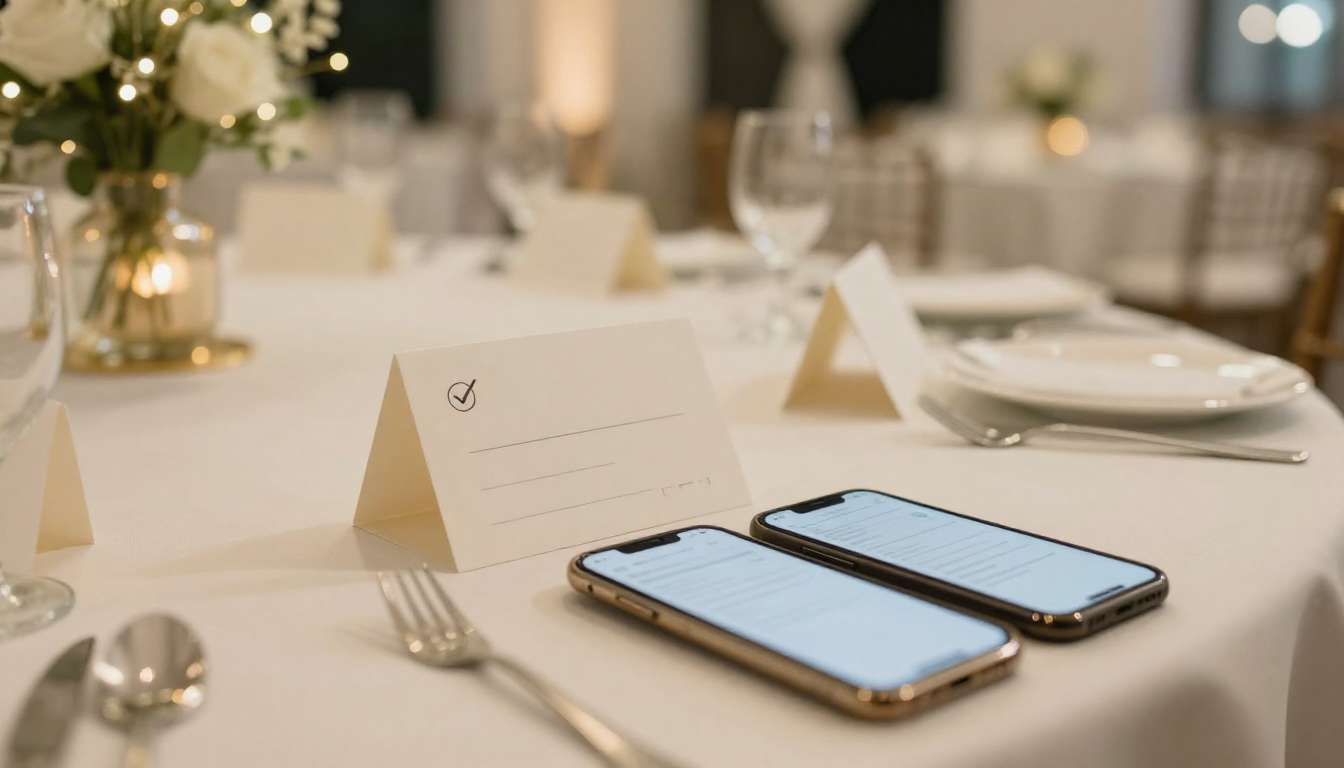
    A classic that still works. You include a small card with your invitation requesting a response, with space for names and “will attend / will not attend” options. Guests send it back by mail or hand it over in person. This method works particularly well for more formal events where paper invitations are part of the whole aesthetic.

    The downside? It requires extra effort from guests – finding an envelope, a stamp, visiting the post office. In the era of smartphones, this can be an insurmountable barrier for many people.

    RSVP by Phone or Text Message

    Quick and direct. You include a phone number in the invitation with a request to respond by a certain date. This is a good option for smaller parties where you personally know all the guests. You can also immediately ask about dietary preferences or other details.

    The downsides? With a larger number of guests, it’s easy to get confused – who called, who texted, who promised to call back and forgot. You need a good note-taking system or spreadsheet.

    Online Form – A Modern Solution

    The most popular method today. You create a simple Google Form, Typeform, or use a dedicated wedding website, and include a link or QR code in the invitation. The guest clicks, fills it out, done – the response automatically goes to your database.

    The advantages are obvious: convenience for guests, automatic data collection, the ability to add additional questions (e.g., about food allergies, main course choice, whether guests are staying overnight). This solution works great with other digital party elements – for example, apps for collecting photos from guests.

    RSVP Through Social Media or Messaging Apps

    Informal, but effective. A Facebook event, a WhatsApp group, a Messenger poll – these are options for more casual parties where you want quick communication. Guests can immediately see who else has confirmed, which sometimes motivates the undecided.

    However, be careful – for important events like weddings, this method might seem too casual. Plus, not all guests (especially older generations) are active on social media.

    How to Word an RSVP Request – Practical Tips

    The method itself is one thing, but equally important is HOW you ask for a response. Here are some proven principles:

    1. Give a specific date. “Please confirm by May 15th” works much better than “please respond.”
    2. Explain why it’s important. A brief “this will help us organize the catering” shows guests that their response has real significance.
    3. Give a choice of contact methods. Some prefer to call, others to click a link – the more options, the greater the chance of a response.
    4. Use a friendly tone. “We can’t wait to hear from you!” sounds warmer than a dry “confirmation required.”
    5. Send a reminder before the deadline. A gentle text or message a week before the deadline can work wonders.

    What to Do When Guests Don’t Respond?

    Despite your best efforts, there will always be people who ignore your request. What then? First of all – don’t panic and don’t take offense. Instead:

    Send a reminder. A short, polite message 5-7 days before the RSVP deadline. You can write: “Hi! Just a reminder that we’re waiting for confirmation of your attendance at our wedding by Friday. Let us know if we can count on you!”

    Call personally. For close friends and family, this is a natural solution. A brief conversation will clear up any doubts, and you can just have a nice chat while you’re at it.

    Set up a safety buffer. Experienced organizers always assume that 5-10% of guests might not show up despite confirming (and vice versa – appear without notice). It’s worth accounting for this when ordering catering.

    RSVP and Digital Party Attractions

    Since you’re already collecting confirmations from guests electronically, it’s the perfect time to think about other digital conveniences. One of the most interesting trends is using QR codes not only for RSVPs but also for collecting photos from guests during the party itself.

    Imagine: every guest scans a QR code (the same one that might be at the venue entrance or on the tables), and then throughout the evening uploads their photos to a shared gallery. No logging in, no apps to install, no “send it to me later on WhatsApp.” All the photos – the official ones and the spontaneous, funny, touching ones – end up in one place.

    That’s exactly how PixFiesta works. For a very affordable price, you get your own gallery where guests can add photos from any phone, without registration. As the organizer, you have real-time access and can see what the party looks like from everyone’s perspective. It’s something that even the best photographer can’t capture alone.

    How to Combine RSVP with Photo Gallery Information?

    Want to be really organized? Use the moment of collecting confirmations to immediately inform guests about the shared gallery. In the RSVP form or in the reminder message, you can add:

    “P.S. During the party, we’ll be collecting photos from all guests – just scan the QR code and upload your pics. No app installation needed! This way everyone will be able to see the party from different perspectives.”

    Such an announcement means guests are prepared and more willing to take photos, knowing they can end up in a shared album. And you get hundreds of shots that complement the professional photo session.

    Summary – The Key to a Successful Party

    RSVP isn’t just a formality or an elegant addition to an invitation. It’s a practical tool that allows you to calmly plan every aspect of the party – from the number of chairs, to portions of food, to the number of champagne bottles for the toast.

    The most important rules for effective RSVPs:

    1. Choose a method suited to the character of your party and your guests
    2. Provide a clear deadline
    3. Make responding as easy as possible
    4. Don’t be afraid to send reminders
    5. Always have a Plan B for unexpected changes

    And since you already care about a well-organized party, also think about how to collect memories from this special day. A professional photographer is essential, but spontaneous shots from guests are priceless. With PixFiesta, you can have both – just one QR code and a bit of fun.

    Good luck with your planning, and may every invited guest respond on time! And if you want to test how a shared photo gallery works at your party:

    Try PixFiesta for Free

  • How Much Alcohol for a Wedding? A Calculator for Any Number of Guests

    How Much Alcohol for a Wedding? A Calculator for Any Number of Guests

    Imagine this situation: it’s 10:00 PM, the wedding reception is in full swing, guests are having a great time, and you notice the bartender is increasingly reaching for the last bottles of vodka. Or the opposite – the wedding has ended, and there’s enough alcohol left in storage for two more parties. Sound familiar? Planning the amount of alcohol for a wedding is one of the biggest organizational challenges every couple faces. Today, I’ll show you how to calculate the right amount of drinks for any number of guests – without stress and unnecessary expenses.

    Why Is Properly Calculating Alcohol Amounts So Important?

    It’s a budget matter. Alcohol is one of the biggest wedding expenses – it can account for up to 15-20% of the entire reception budget. Ordering too much means tying up money that could be used for other purposes. On the other hand, too little can result in an awkward situation and the need to urgently buy more during the party – often at inflated prices.

    Guest comfort. A wedding is a celebration where guests should feel at ease. Running out of a favorite drink or empty glasses are situations every couple wants to avoid. At the same time, too much alcohol can lead to situations that everyone would rather not remember afterward.

    Basic Wedding Alcohol Calculator

    Before we get into specific numbers, you need to know a few universal rules. It’s standard to assume that a wedding lasts about 10-12 hours, and guests drink at different rates depending on the time and stage of the party.

    Vodka – The Queen of Traditional Weddings

    The basic rule is 0.5 liters of vodka per person. This is a proven standard that works for most traditional weddings. For 100 guests, this means 50 liters, or about 100 bottles of 0.5 liters each. Remember, however, that this amount may vary depending on the nature of your wedding and guest preferences.

    1. Traditional wedding, older generation dominates: 0.5-0.6 liters per person
    2. Mixed-age wedding: 0.4-0.5 liters per person
    3. Younger generation wedding, more alternatives: 0.3-0.4 liters per person

    Wine – A Growing Trend

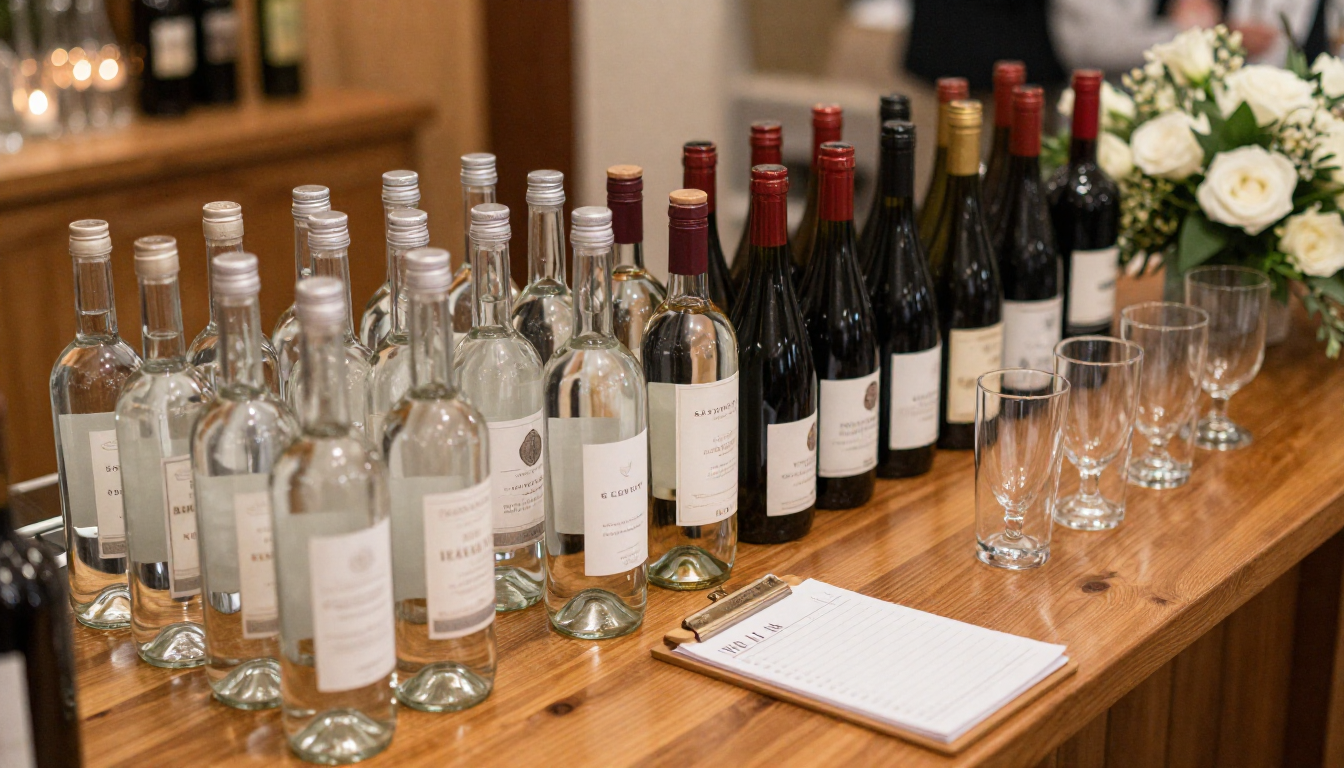
    Plan for about 0.5 bottles of wine per person. More and more couples are opting for a rich selection of wines, especially if the wedding has a more elegant character. It’s worth stocking up on both white and red wines – in a ratio of roughly 60% to 40% in favor of white, which pairs better with typical wedding menus.

    Beer – A Must-Have at Every Party

    Plan for 2-3 beers per person as a minimum. Beer works great especially in the later hours of the wedding and during summer receptions. For 100 guests, order about 250-300 bottles or cans. It’s worth thinking about different varieties – lager for most people, but also something for craft beer enthusiasts.

    Non-Alcoholic Beverages – Don’t Forget!

    This is often overlooked but a crucial element. Mineral water, juices, and soft drinks should be available at a minimum of 1 liter per person. Remember those who don’t drink alcohol, designated drivers, and children. A good rule is 30% more non-alcoholic beverages than you assume – it’s better to have a reserve.

    Calculator for Different Guest Counts

    Intimate Wedding – Up to 50 Guests

    Smaller weddings often mean a closer-knit group and more intense partying. Here are approximate amounts:

    1. Vodka: 25-30 bottles (0.5 l)
    2. Wine: 25-30 bottles
    3. Beer: 100-150 bottles/cans
    4. Non-alcoholic beverages: 50-60 liters

    Medium Wedding – 50-100 Guests

    The most popular wedding format. For 80 guests, here’s an example of what you’ll need:

    1. Vodka: 40-50 bottles (0.5 l)
    2. Wine: 40-45 bottles
    3. Beer: 200-240 bottles/cans
    4. Non-alcoholic beverages: 80-100 liters

    Large Wedding – 100-150 Guests

    With a larger number of guests, it’s worth ordering a bit more just in case:

    1. Vodka: 60-90 bottles (0.5 l)
    2. Wine: 60-80 bottles
    3. Beer: 300-450 bottles/cans
    4. Non-alcoholic beverages: 120-180 liters

    Very Large Wedding – Over 150 Guests

    At this scale, it’s worth considering working with a wholesaler, who often offers the option to return unopened bottles:

    1. Vodka: 90+ bottles (0.5 l)
    2. Wine: 80+ bottles
    3. Beer: 450+ bottles/cans
    4. Non-alcoholic beverages: 180+ liters

    Factors That Affect Alcohol Consumption

    The season matters enormously. Summer weddings mean higher consumption of beer and light drinks, while winter ones mean more stronger spirits. Hot days can increase beverage demand by up to 30%.

    The length of the wedding is another key factor. A standard 10-12 hours is one thing, but if you’re planning an after-party or extended celebration, increase your order accordingly. Each additional hour means about 5-10% more alcohol.

    Guest profile affects preferences. If you know that most of your guests prefer wine or craft beer over traditional vodka, adjust the proportions. It’s also worth asking your closest friends and family about their preferences – it’s a simple way to avoid surprises.

    The wedding menu matters. Rich, fatty dishes “absorb” alcohol, so guests may drink more. Conversely, a light menu means drinks take effect faster and consumption is lower.

    Practical Tips When Ordering

    Negotiate return options. Many wholesalers and stores offer to take back unopened bottles after the wedding. This is a great solution that allows you to order extra without the risk of financial loss. Always ask about this option before placing your order.

    Spread your purchases over time. You don’t have to buy everything at once. Order the basic amount in advance, and purchase the rest closer to the date when you have more accurate RSVPs.

    Think about alternatives. Prosecco for toasts, whiskey for connoisseurs, signature cocktails – variety pleases guests and distributes consumption across different types of alcohol. A cocktail bar is a great attraction that spreads out consumption – and spontaneous photos of guests at the bar are often the best shots from the entire wedding.

    Summary – Your Wedding Cheat Sheet

    Planning the amount of alcohol for a wedding doesn’t have to be stressful. Here are the most important rules to remember:

    1. Vodka: 0.5 liters per person (adjust to the nature of the wedding)
    2. Wine: 0.5 bottles per person
    3. Beer: 2-3 per person
    4. Non-alcoholic beverages: minimum 1 liter per person
    5. Always negotiate the option to return unopened bottles
    6. Consider the season, wedding length, and guest preferences

    And remember – even the best-planned wedding with the perfect amount of alcohol will be remembered through photos. Make sure all those wonderful moments end up in one gallery rather than getting lost in guests’ phones. Modern solutions like PixFiesta make collecting memories as easy as raising a toast to the happy couple.

    Happy planning and an even better wedding!

    And if you want guests to easily share photos from the celebration – check out PixFiesta.

  • How to Seat Guests at a Wedding – Proven Rules and Ideas

    How to Seat Guests at a Wedding – Proven Rules and Ideas

    Imagine this situation: Aunt Linda is sitting next to your fiancée’s college friend, with whom she has absolutely nothing in common. Grandpa ended up right next to the speaker and is frowning throughout the entire dinner. And your best work buddy is seated so far from the dance floor that he’s practically not part of the party. Sound familiar? Seating guests at a wedding is one of those tasks that seems simple only until you actually have to do it.

    A good guest seating plan isn’t just about aesthetics and organization – it’s the foundation of a successful celebration. Who sits with whom determines the atmosphere at the tables, the number of photos with smiling faces, and even how guests will remember the entire wedding. That’s why it’s worth dedicating enough attention to this topic and learning the proven rules that will make this task easier for you.

    Why is guest seating so important?

    Before we get into specific tips, let’s consider why it’s even worth worrying about this. After all, you could just let guests sit wherever they want, right? Seriously – this is one of the most common mistakes couples make. Open seating sounds democratic, but in practice, it leads to chaos. Families occupy entire tables, leaving single chairs for people who don’t know anyone. Elderly guests end up far from the exit, and groups that could have a great time together get separated.

    A thoughtful guest seating plan ensures comfort for all participants. Shy people end up with company that will help them open up. Parents and grandparents sit in places where they can hear the music but aren’t deafened by it. Friends from different stages of your life have a chance to meet and make new connections. And you – as the couple – don’t have to worry that someone spent half the wedding in a corner, not knowing who to talk to.

    Where to start planning?

    Before you start drawing table layouts, you need some basic information. First – an exact guest list with confirmed attendance. Second – a floor plan of the wedding venue showing the location of tables, dance floor, entrance, restrooms, and DJ station. Third – knowledge of any family conflicts or people who absolutely should not sit next to each other.

    It’s best to start by seating people you have no doubts about. Parents of the couple, grandparents, best man and maid of honor – these are seats that can be assigned right away. Only then do you move on to more complicated arrangements, mixing different groups of friends and family.

    Proven rules for seating guests

    Rule #1: Group by common traits

    People feel most comfortable in the company of those with whom they have something in common. This could be age, place of residence, profession, interests, or simply mutual friends. Think about who might get along with whom and create a small community at each table that will have something to talk about.

    However, this doesn’t mean that only people who already know each other should sit at one table. Quite the opposite – a wedding is a great opportunity to make new acquaintances. The key is finding a common denominator that will make it easier to start a conversation.

    Rule #2: Remember family hierarchy

    In wedding traditions, it still matters who sits closer to the couple. Parents, grandparents, and immediate family should occupy places of honor – usually at tables closest to the couple’s head table or at a shared family table. This is a matter of respect, but also practical – loved ones want to see all the important moments of the wedding.

    Rule #3: Consider special needs

    Elderly guests and those with disabilities should sit close to the exit and restrooms. Families with small children should be placed somewhere easy to leave from when the little one starts fussing. People with hearing difficulties – not directly under the speaker, but also not somewhere the music barely reaches.

    Rule #4: Avoid singles tables

    One of the biggest mistakes is seating all single guests at one table. This can be awkward and make guests feel like they’re at a speed dating event. Instead, spread singles across different tables, pairing them with couples or families they can chat with comfortably.

    Rule #5: Think about party dynamics

    Sociable and energetic people should be spread across different tables – they’ll naturally liven up the atmosphere and encourage others to have fun. If you seat all the “life of the party” types together, the rest of the guests might feel left out.

    Creative ideas for marking seats

    Seating guests is one thing – but equally important is how you’ll communicate where they should sit. A classic board with the room layout works great, but you can also opt for more creative solutions.

    Personalized place cards. You can add an interesting fact about each guest to make starting a conversation at the table easier. For example: “Emma – passionate about mountain hiking” or “Uncle Tom – the best dancer in the family”.

    Table names instead of numbers. Instead of table #5, it could be “Mountain Lovers Table” or “Movie Buffs Table” – depending on the wedding theme or common traits of people at the table.

    Interactive cards at each setting. You can prepare a small card at each place with a discussion question or a fun task for the whole table. This is a great way to break the ice between guests who don’t know each other.

    How to capture the atmosphere at the tables?

    And now the other side of the coin – even the best-planned guest seating won’t give you memories if you don’t make sure to preserve them. The wedding photographer will take photos at the tables, but they can’t capture all the spontaneous moments. And precisely these moments – laughter during toasts, conversations between courses, first dances after dinner – are priceless.

    That’s why it’s worth encouraging guests to take and share their own photos. The problem is that standard methods – WhatsApp or Messenger groups – quickly turn into chaos. Hundreds of photos in varying quality, difficulty finding specific shots, having to add everyone to the group…

    A much simpler solution is photo collection apps like PixFiesta. Just print a QR code and place it at each table – guests scan it with their phone and can immediately add photos to a shared gallery. No logging in, no installing apps, no complications. It’s a great way for each table to document their part of the wedding, and you’ll later receive a complete picture of the celebration from all guests’ perspectives.

    Common mistakes to avoid

    Finally, some warnings that can save your vision of the perfect wedding:

    1. Seating feuding people close together – even if you hope they’ll make up, a wedding is not the right time for family mediation.
    2. Ignoring guest requests – if someone politely asks for a specific seat (e.g., near the exit for health reasons), try to accommodate them.
    3. Leaving planning until the last minute – the later you start, the more stress. Your seating plan should be ready at least a week before the wedding.
    4. Forgetting about yourselves – you also need to sit somewhere! Make sure your seats are comfortable and you have a good view of the room.
    5. Lack of flexibility – always have a Plan B in case someone doesn’t show up or an unexpected plus-one appears.

    Summary

    Seating guests at a wedding is a task that requires patience, diplomacy, and good knowledge of your loved ones. There’s no single perfect formula because every family and friend group is different. The key is being guided by common sense, empathy, and above all – good intentions. You want everyone to have a good time, feel comfortable, and go home with plenty of positive memories.

    And to ensure those memories exist not only in guests’ minds but also in the form of photos – consider giving them an easy way to share photographs. QR codes at tables are a discreet but effective solution. With PixFiesta, you’ll collect shots from every table, every group of guests, and every moment – all in one place, without stress or technical complications. And it costs less than a single flower arrangement on a table.

    Good luck with planning! We’re confident that with these tips, you’ll arrange your guests so that everyone will be delighted – with the atmosphere, the company, and your thoughtful approach to organizing the wedding.

    Try PixFiesta for free and collect all your wedding memories in one place!

  • How to Plan a Wedding in 6 Months: A Practical Timeline

    How to Plan a Wedding in 6 Months: A Practical Timeline

    Six months until the wedding. Sounds like plenty of time, right? Yet many engaged couples start sweating at the mere thought of everything that still needs to be organized. If you’ve just announced your engagement and dream of a wedding in six months – don’t worry. It’s absolutely doable, but it requires a solid plan and consistent action. In this article, we’ll walk you through a practical timeline that will help you plan your dream wedding without unnecessary stress.

    Months 1-2: The Foundation of Your Wedding

    The first weeks are the time to make key decisions that will form the foundation of your entire planning process. There’s no time to waste – some things need to be booked as soon as possible.

    Set your budget and guest list. This is the absolute foundation where everything begins. Sit down together and have an honest conversation about how much you can spend on your wedding. Remember that the guest list directly affects costs – each additional person represents a moderate expense that adds up quickly. It’s better to be realistic from the start than to panic-cut your budget later.

    Book your ceremony and reception venues. With a six-month lead time, the selection of wedding venues may already be limited, especially for popular dates. Call, ask, negotiate. Sometimes it’s worth considering less obvious locations – restaurants with banquet halls, farm venues, or even tents in a beautiful garden. Weekday dates can be a great option – there’s significantly less demand for these dates, so venue and vendor availability is much better.

    Find a photographer and videographer. Good wedding photographers are often booked a year in advance. With a six-month timeline, you need to act fast. Browse portfolios, schedule meetings, and choose someone you feel comfortable with – after all, they’ll be with you throughout the entire day.

    Months 2-3: Visual Details and Entertainment

    Once you’ve secured the most important elements, it’s time to focus on the details that will give your wedding its character.

    Choose the wedding dress and suit. Wedding dresses often require several months for tailoring or ordering, plus time for alterations. If you dream of a custom-made gown, you need to act immediately. Alternatively – boutiques with ready-to-wear dresses or pre-loved wedding dress shops can be a lifesaver with a short timeline.

    Book a band or DJ. Music is one of the most important elements of a great party. Check reviews, listen to recordings from other weddings, and make sure the musical style matches your tastes. Also remember about music for the ceremony – a string quartet, an organist, or perhaps a playlist through speakers?

    Plan decorations and flowers. Wedding floristry isn’t just about the bride’s bouquet. It’s also table decorations, church arrangements, and car decorations. Schedule a consultation with a florist and present your vision. With a short preparation time, it’s worth being flexible – some flowers may not be available in certain seasons.

    Months 3-4: Formalities and Logistics

    You’re halfway there! Now it’s time for matters that require more organization than creativity.

    Handle formalities at the registry office or church. A civil ceremony requires booking a date at the office and submitting the appropriate documents. A church wedding involves marriage preparation classes, meetings with the priest, and certificates from the registry office. Don’t leave this until the last minute – government offices have their procedures.

    Send invitations. Nowadays, many couples opt for electronic invitations, but traditional paper ones have their charm. Regardless of the format – give guests at least 6-8 weeks to respond. This is important for finalizing the guest list and confirming numbers with your caterer.

    Plan entertainment for guests. Photo booth, candy bar, cigar bar, lawn games – these are elements that can make your wedding stand out. And speaking of attractions – also think about how guests will document this special day. After all, everyone has a smartphone with a camera in their pocket!

    How to Collect Photos from All Your Guests?

    This is a question more and more newlyweds are asking themselves. The professional photographer will capture the most important moments, but what about those spontaneous shots from the dance floor at three in the morning? Or the selfie at the bar when the groom is trying to open the champagne? Guests take these photos – and they often remain buried in their phones forever.

    Traditional solutions have their drawbacks. Group albums on Facebook? Not everyone has an account, and privacy can be problematic. WhatsApp? Photo compression and chaos in a group with 80 people. Asking guests to “email us your photos”? Honestly – how many people actually do that?

    That’s exactly why PixFiesta was created. It works on a QR code basis – guests scan the code with their phone and can immediately add photos to a shared gallery. No logging in, no installing apps, no complications. Just place the QR code on tables or at the entrance, and all the wedding photos will collect in one place.

    Months 4-5: Final Preparations

    The finish line is getting closer! This is the time for tying up loose ends and finalizing arrangements.

    Confirm all reservations. Call every vendor and make sure everything is current. Date, times, addresses, details – better to check twice than to have a surprise on your wedding day.

    Plan the menu and cake. A tasting at the wedding venue is not only a pleasure but also a duty. Set the menu, taking into account guests’ dietary needs (vegetarians, those with allergies), and choose the cake. Remember about drinks – alcohol, juices, water.

    Organize transportation. Who will drive the bride to the ceremony? How will guests get from the church to the venue? Do you need return transportation for guests who aren’t driving? These details might seem trivial, but on your wedding day, they become significant.

    Prepare a schedule for guests. Boards or brochures with the wedding timeline are becoming increasingly popular. Guests know when dinner is, when the cake is served, when special traditions happen. This eliminates constant questions like “what’s next?” and lets everyone enjoy themselves more.

    Months 5-6: The Week Before the Big Day

    The home stretch! Now organization and calm are what matter.

    Finalize the guest list. Confirm the final headcount with all vendors. Remember about seating arrangements – who will sit with whom at which table? This can be a real puzzle with complicated family dynamics!

    Prepare things for the wedding day. Dress, suit, rings, documents, shoes, undergarments, cosmetics, phone charger – make a list and pack systematically. Entrust the rings to a trusted person (preferably your best man or maid of honor) the day before.

    Prepare elements for collecting photos. If you’ve decided to use PixFiesta, print the QR codes and plan where you’ll place them. Tables, bar, photo booth, restrooms – the more locations, the better chance guests will notice and use it. You can also ask the DJ or MC for a brief encouragement during the reception.

    Relax. Seriously. The day before the wedding is not the time for panic. Everything that needed to be done has been done. Get a massage, meet with friends, get plenty of sleep. Tomorrow you’ll need energy!

    Practical Tips for the Wedding Day Itself

    A few things worth remembering when the big moment arrives:

    1. Delegate tasks. Designate people responsible for specific things – coordinating with the photographer, contact with the DJ, keeping track of the rings. You’re meant to enjoy yourself, not worry.
    2. Eat and drink water. Sounds trivial, but in the whirlwind of emotions, it’s easy to forget the basics. And fainting at the altar isn’t exactly the story you want to tell your grandchildren.
    3. Be present. Put your phones away – the photographer and guests are there for documentation. You should enjoy every moment.
    4. Don’t stress about minor mishaps. Something will go wrong. Something always goes wrong. And you know what? In a year, you’ll be laughing about it.

    After the Wedding – What About the Photos?

    The wedding is over, emotions have settled, and you return to reality with a million memories and… the need to collect keepsakes. If you used an app for collecting photos from guests, you already have everything in one place. You can browse, download, share. Guests see photos from other guests – and often discover moments they completely missed.

    Photos from your professional photographer usually arrive after a few weeks. But those spontaneous shots from guests? Thanks to solutions like PixFiesta, you have them immediately – and in full resolution, without compression.

    Summary

    Planning a wedding in 6 months is a challenge, but absolutely achievable. The key is good organization, flexibility, and the ability to delegate tasks. Remember that the most important thing is that one day – the moment when you say “I do” – not whether the napkins perfectly matched the flowers.

    Take care of the memories from this special day. A professional photographer will capture the official moments, but the real magic lies in the spontaneous photos from guests. Give them a simple tool to share their shots, and you’ll gain priceless keepsakes you didn’t even know existed.

    Try PixFiesta for free and see how easily you can collect all the photos from your wedding in one place – no logging in, no installing apps, just via QR code. The price? Less than a nice bottle of wine on your wedding table, and the memories – priceless.